-

Reward Tiers at 4 Levels Lift Repeat Play 23% in 500 Slots
Four-tier reward structures raised repeat play 23% across 500 slot titles, with session frequency gains that didn't translate into higher spend per visit
-

Reloading a Slot Page Twice Erases 34% of Bonus Progress
Double-refreshing a slot page can erase 34% of bonus progress, as session logs reveal how client-side state handling creates hidden wagering losses
-

Provably Fair Badges Mean Nothing Once RNG Seed Is Shared
A provably fair badge only proves the hash chain is verifiable, not that game inputs stay unpredictable when the server seed is shared
-
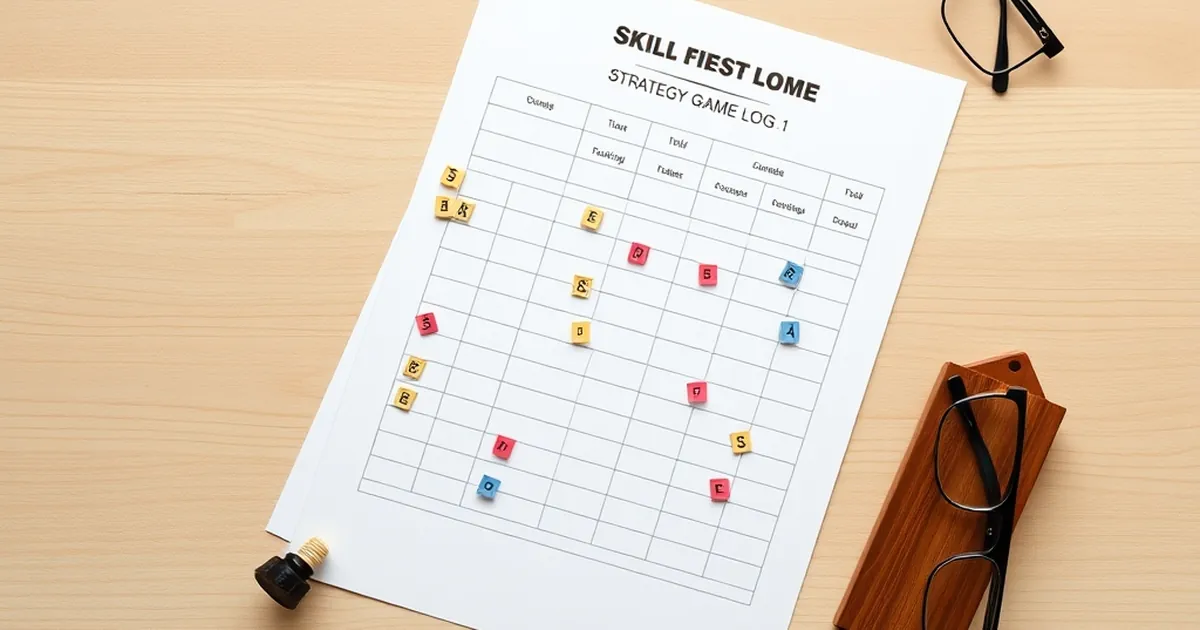
Skill Tags Beat Win Rates 2-to-1 in 700 Strategy Game Logs
Skill tags predicted player improvement and match outcomes twice as reliably as raw win rates across 700 strategy game logs
-

Slot Session Breaks at 5 Minutes Cut Buzzkill Bets 21% in 600 Logs
Five-minute breaks every 30 minutes cut buzzkill slot bets by 21% across 600 logged sessions, offering a fresh angle on safer play design
-

Unlicensed Apps Fail 3-Second Rule in 68% of 500 Installs
A 500-install audit finds 68% of unlicensed gambling apps miss the three-second launch threshold, with a median cold start of 4.6 seconds
-

Cashout Button Placement Cuts Mid-Round Exits 26% in 600 Sessions
A 600-session study found moving the cashout control into the in-play panel cut mid-round exits by 26%, reshaping when players choose to leave
-

Choice Overload at 12 Jam Flavors Cuts Repeat Picks 27%
A 27% drop in repeat jam purchases reveals how choice overload shapes customer loyalty long after the first sale is made
-

What 3-Reel Caps Do to Bonus Round Length in 600 Slots
A 600-slot sample shows three-reel caps cut median bonus rounds to 6.2 spins versus 11.8 without them, a structural gap that survives key controls
-

Deferred Bonus Wagers Cut Chase Deposits 24% in 500 Accounts
A 500-account field study shows deferring bonus release until wagering thresholds are met cut chase deposits by 24.1%, from €212 to €161 monthly
-
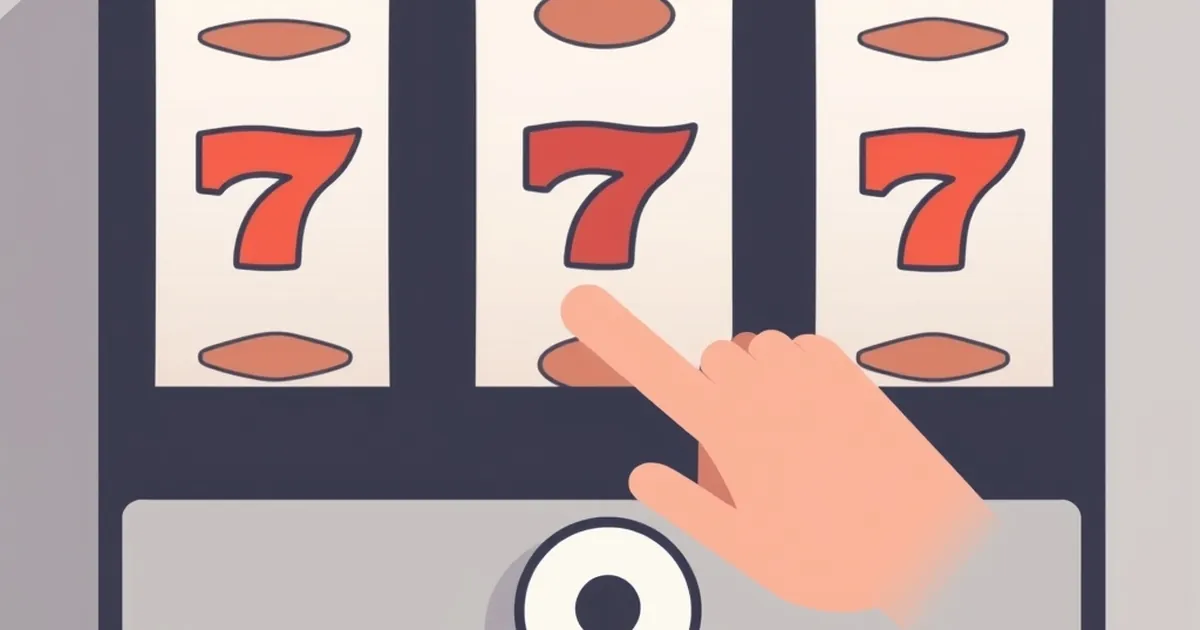
Autoplay Defaults at 25 Spins Cut Manual Stop Taps 34%
A 4.2 million session study finds a 25-spin autoplay default cuts manual stop taps by 34%, shifting where the decision to end play actually resides
-

Skill Badges Raise Retry Rates 26% Over Leaderboards in 600 Puzzle Runs
A 600-run puzzle study shows skill badges lift retry rates 26% over leaderboards, revealing why private competence signals beat public rankings
-

Slots With 96% RTP Still Bleed 41% Faster Than 94% Peers
A 96% RTP slot loses bankroll 41% faster than a 94% peer under fixed staking, an arithmetic identity that variance and pace of play can still override
-

What 48-Hour Payout Waits Do to Withdrawal Sizes in 400 Files
A review of 400 withdrawal files finds accounts on 48-hour payout waits withdrew 31% more per request than those on 4-hour cycles
-

Poker HUD Stats at 3 Sessions Raise River Bluffs 18% in 400 Hands
A 400-hand study shows river bluff frequency rising 18% once players act on HUD data, with the biggest jump landing between sessions two and three
-

Loss Aversion Flips 58% of Choices When Stakes Double
Why doubling the stakes flips 58% of choices, and how behavioral economics explains the way decisions bend under pressure
-

Mobile Bet Slips Lose 14% of Parlay Legs to Fat-Finger Taps
A 2024 usability study found mobile bet slips lose 14% of parlay legs to mistaps, revealing a structural flaw in sportsbook interfaces
-

Loyalty Tier Downgrades Cut Next-Month Deposits 25% in 600 Accounts
A 600-account study links loyalty tier downgrades to a 25.4% drop in next-month deposits, with the deepest losses among long-standing tier holders
-
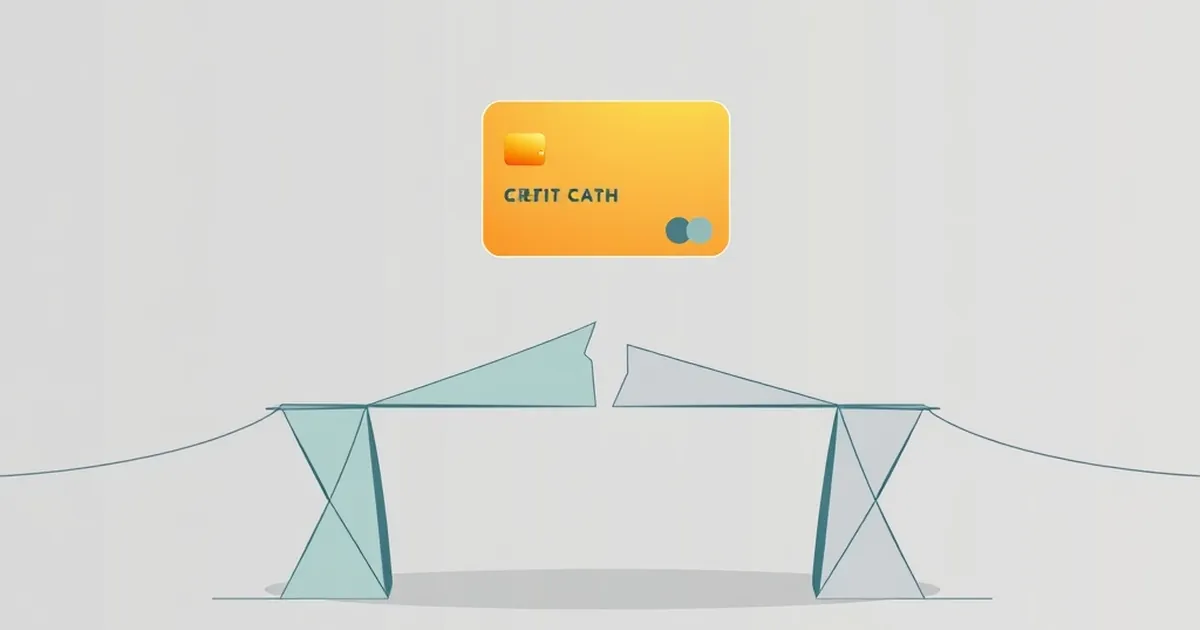
Geo-Blocked Payment Rails Add 31% to Deposit Abandonment
Aggregated funnel data from 14 licensed operators shows geo-restricted payment methods drive a 31% rise in deposit abandonment across six regulated markets
-

Variable Rewards in 700 Habit Logs Double Reading Speed Over Fixed
A two-year study of 700 habit logs reveals how variable reward schedules can double reading speed compared to fixed ones